
Leaders in Focus: Springfield — A First Step Toward Accessible Professional Photography
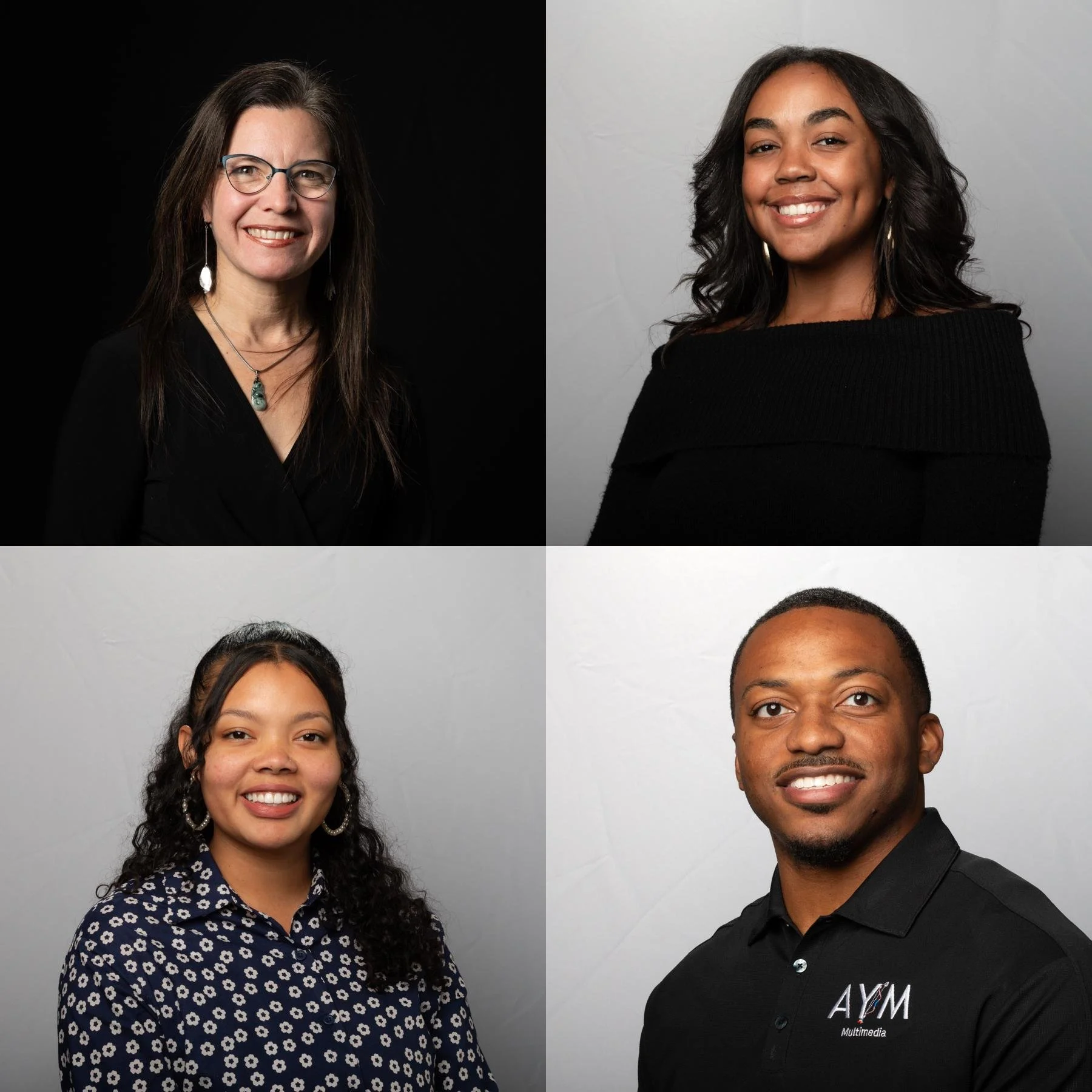
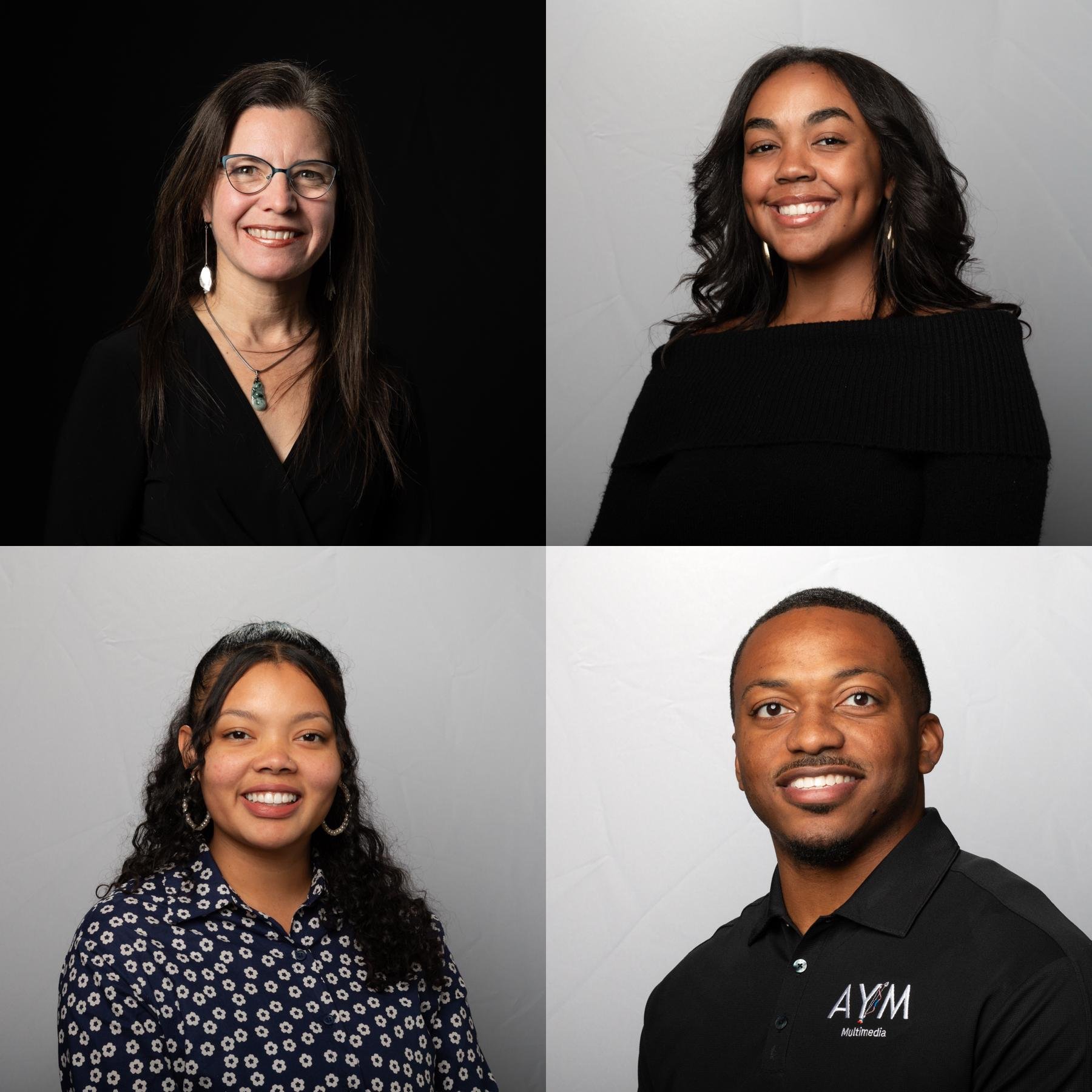
Leaders in Focus: Springfield started as a simple idea—give people in our community access to professional headshots without cost or barrier. For many students, job-seekers, small business owners, and even seasoned professionals, a polished photo can open doors: résumés, LinkedIn, business cards, grant applications, auditions, portfolios, and beyond. But not everyone has access to high-end equipment, studio setups, or professional photographers.
That’s exactly why we created this event. And Springfield showed up.
Gratitude Where It’s Due
Events like this aren’t possible without trust, space, and collaboration.
Thank you to every participant who signed up and trusted us to create your professional portraits. You are the reason this project exists.
Thank you to Springfield BID for allowing us to use the location for our first community-focused photography event. The support, hospitality, and willingness to open your space truly set the tone.
Springfield BID - https://www.instagram.com/springfielddowntown?igsh=MWVqeDNjaXNybGppZg==
A special thank you to Sebastian and Sophie, who volunteered their time and talent to handle photography while I focused on editing live throughout the day. Their professionalism and energy made the experience smooth and welcoming for everyone who walked through the door.
Sebatian - https://www.instagram.com/congustophoto?igsh=N3hueTR3aWQzcTJr
Sophie- https://www.instagram.com/sophiemrkhm?igsh=MWE3aWxqeGwxaW93YQ==
This wasn’t just a photography setup—it was a team effort.
How We Operated: Real-Time Photography + Editing
To keep the experience personal and efficient, the workflow was fully collaborative:
Sebastian and Sophie handled all shooting
I edited throughout the day as photos came in
Turnaround time was same-day or next-morning
People walked out not only feeling prepared, but seen and supported. That fast turnaround matters—especially for those preparing applications, job interviews, or new opportunities on tight timelines.
We’re Already Planning the Next One
This was only the beginning. We’re now:
Searching for the next location
Exploring grants that can fund future community shoots
Looking for partners and local organizations who want to collaborate
Working to support communities that don’t have access to:
Professional equipment
Reliable mentorship
Creative industry networks
The goal is to make these events sustainable—not just a one-time moment.
A Reality Check: Cancellations and Lessons Learned
We did have a few no-shows and last-minute cancellations. It happens—especially with first-time events. Instead of brushing it off, we’re gathering feedback to understand whether:
The timing wasn’t ideal
The day of the week was inconvenient
The sign-up process needs adjusting
Or whether we simply need stronger reminders and promotion
This feedback loop is how the next event becomes even stronger.
Bigger Picture: A Creative Vision Beyond One Event
This event isn’t just about headshots—it’s part of a bigger transition happening in my creative life and in the future of AirFig Productions.
For years, I’ve balanced my creative work with my full-time role at MGM. The ultimate goal hasn’t changed:
To eventually transition fully into AirFig Productions and dedicate 100% of my time to building creative, community-centered work.
With a recent major contract cancellation including smaller ones, things got set back and forced a reset—not going to pretend otherwise. But setbacks don’t cancel the vision. I trust the process, I trust the grind, and I trust that staying active in the community—whether through partnerships, events, or new projects—will open new paths forward.
This event proved that people want this. They need this. And we’re capable of delivering it.
What’s Next
More accessible events
More community partnerships
Professional access for those without resources
A long-term push to reshape the creative landscape in Springfield and beyond
Leaders in Focus isn’t just a pop-up idea. It’s becoming part of a larger mission to empower people visually, professionally, and creatively.
Thank you again to everyone who supported our first step. Much more is coming.
(I Jose Figueroa did use ChatGBT to help me layout what I wanted to say and include in this blog.)
Drone Safety: A Responsibility That Impacts Us All
Drone Safety: A Responsibility That Impacts Us All
As drones become an integral part of industries ranging from filmmaking to agriculture, real estate to emergency response, their proper use has never been more critical. With great innovation comes great responsibility, and the importance of drone safety cannot be overstated. Recent events, such as the Los Angeles fires, have highlighted the consequences of neglecting safety laws, reminding us of how such negligence affects public safety and the livelihoods of professional drone pilots across the United States.
Those flying drones for a “like” on social media should never be considered professional pilots. Others make a living using drones and love to fly, not because they need to maintain social media algorithms but because they do it as a career.
The Growing Importance of Drone Safety
Drones, or unmanned aerial vehicles (UAVs), have transformed how we capture data, monitor environments, and tell visual stories. However, with increased accessibility comes the challenge of ensuring their safe and lawful operation. Misuse can result in severe repercussions, including public harm, interference with emergency operations, and damaged reputations for professional operators.
Key Drone Safety Laws in the U.S.
The Federal Aviation Administration (FAA) has established regulations to ensure the safe use of drones. Key rules include:
Registration: All drones weighing more than 0.55 pounds must be registered with the FAA.
Remote Pilot Certification: Commercial drone pilots must hold a Part 107 certification.
No-Fly Zones: Without special waivers, drones are prohibited from flying in restricted areas, such as near airports and over emergency operations. Temporary Flight Restrictions (TFRs) are often issued during events like wildfires, stadium games, or large gatherings. Flying in a TFR zone without authorization is illegal and can result in severe penalties.
Altitude and Visibility: Drones must remain within 400 feet of altitude and the operator’s line of sight.
Night Flights: Nighttime operations require proper lighting and adherence to specific safety measures.
These laws are designed to protect the public and ensure the fair use of airspace for responsible pilots.
The LA Fires and Drone Interference
The recent wildfires in Los Angeles have brought drone misuse into sharp focus. Unauthorized drone flights over fire-affected areas delayed firefighting efforts, putting lives and property at greater risk. These incidents demonstrate how one individual's negligence can have devastating ripple effects.
Firefighting teams rely on aerial support, including water-dropping helicopters and fire-spotting planes. When drones enter these airspaces without authorization, all aerial operations must be grounded for safety reasons. This delay can be the difference between containment and catastrophe.
Impact on Professional Drone Pilots
For professional drone operators, these incidents cast a long shadow. Misuse by hobbyists or unlicensed individuals reinforces negative stereotypes and leads to stricter regulations, making it harder for professionals to operate. Legitimate pilots who rely on drones for their livelihoods face increased scrutiny and potential loss of trust from clients and the public.
Industries like filmmaking, construction, and agriculture depend on skilled drone pilots to capture high-quality imagery, monitor projects, and optimize operations. When irresponsible operators flout the rules, it undermines the credibility and opportunities of those who follow the law.
Promoting a Culture of Responsibility
All drone users must commit to safety and education to mitigate these issues. Here are some steps to promote responsible drone use:
Education: New drone owners should familiarize themselves with FAA regulations and best practices for safe flight.
Community Advocacy: Professional pilots can engage with local communities to raise awareness about drone safety and its impact.
Reporting Violations: If you witness unsafe or illegal drone activity, report it to local authorities or the FAA.
Staying Current: Drone laws evolve. Pilots should stay informed about changes to regulations and technological advancements.
Mentorship: Experienced drone operators can mentor newcomers to foster a community of responsible pilots.
Conclusion
Drone safety is not just about compliance; it’s about protecting lives, supporting essential operations, and ensuring that drones remain valuable tools rather than threats. Negligence—like interfering with emergency responses—jeopardizes public safety and tarnishes the reputation of all drone operators.
By adhering to safety laws and fostering a culture of responsibility, drone pilots can ensure their industry thrives while maintaining public trust. Together, we can ensure that drones remain a force for good, innovation, and livelihood in the U.S. airspace.
-Fig